
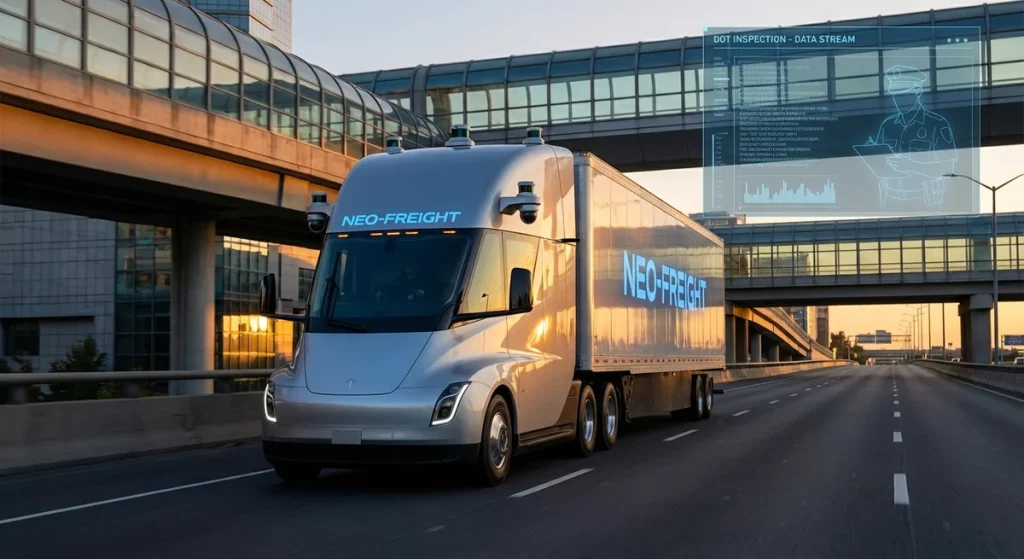
The Future of Fleet Compliance: Man vs. Machine
In the transportation industry, the buzz surrounding Autonomous Vehicles (AV) is reaching a fever pitch. At All About Trucks and Translab, we spend our days helping transport companies navigate the complex maze of DOT compliance. This expertise brings a critical question to the forefront: what language will a truck “speak” when a police patrol pulls it over for a routine inspection? Will a robot truly understand an officer’s commands as required by current safety standards and language proficiency regulations?
The Financial Allure and Hidden Pitfalls
For fleet owners, the numbers look enticing. Human drivers currently represent 33–50% of operating costs. A machine, however, isn’t subject to Hours of Service (HOS) restrictions; it can run 24/7, effectively tripling a truck’s weekly mileage. However, from a consulting perspective, we see the hidden side of the ledger:
- Hidden Operational Costs: Replacing a driver with an expensive AI system is just the beginning. Sensors require constant calibration, and the software itself generates high licensing and subscription fees.
- Accelerated Life Cycles: A truck working non-stop will hit its 500,000-mile limit in just two years instead of five. This drastically alters capital budget planning and equipment depreciation.
- Residual Value Risks: Hardware ages like smartphones. In five years, today’s AV technology could be obsolete and unsellable—much like old 3G ELD devices that are now nothing more than expensive paperweights.
The Evolution of the Driver: The Hub-to-Hub Model
Despite the tech surge, the professional driver’s career is not disappearing; it is evolving. We predict the Hub-to-Hub model will become the industry standard. Autonomous trucks will handle the monotonous highway stretches, while local CDL specialists will take over at suburban hubs to navigate complex city traffic and tight loading docks.
To remain “automation-proof,” drivers should invest in specializations that AI cannot easily replicate: HAZMAT, Tanker, and Oversize loads. The driver of tomorrow is a highly skilled “system operator”—a specialist who takes command when technology fails in challenging conditions.
Timeline: From Testing to Full Integration
According to industry insights from CJJ Magazine, the road to autonomy follows a specific schedule:
2026–2030: Controlled Testing
Widespread testing will occur in the U.S. Sun Belt and on terminal-to-terminal routes under ideal weather conditions.
Post-2035: Highway Regularity
We will see regular autonomous highway runs, though snowstorms in states like Illinois or Wisconsin will remain a significant barrier for AI sensors for a long time.
Post-2040: The Era of Full Autonomy (Level 5)
This is when technology is expected to handle all weather conditions and terrains. Infrastructure, such as smart highways communicating directly with vehicles, will become the standard. At this stage, traditional fleets may need to completely rebuild their business models.
The Human Factor: Unions and Bureaucracy
A major braking force in this transition is the power of labor unions, such as the Teamsters. They are actively lobbying for laws that require a human presence in the cab for public safety. Their argument—that a machine cannot replace human judgment in critical situations—resonates with many legislators. Between union pressure and the FMCSA’s rigorous bureaucracy, the process of full implementation will take decades.
Preparing Your Fleet for Tomorrow
At All About Trucks and Translab, we don’t just wait for the future; we analyze it for our clients today. We are already studying how these technologies will impact your safety audits, Clearinghouse records, and overall operating cost structures.
Our role is to ensure that your company remains not only modern but, above all, compliant and profitable in the long term. Safe travels—we put Truckers first!
