
The Double Burden: Rising Diesel Prices and Cold Chain Realities
The beginning of the year has not been kind to carriers. Diesel prices have surged by nearly $2 per gallon compared to January, reaching a national average of $5.35 by late April. While recent weeks have seen a slight correction of about 30 cents, operational costs remain at record highs.
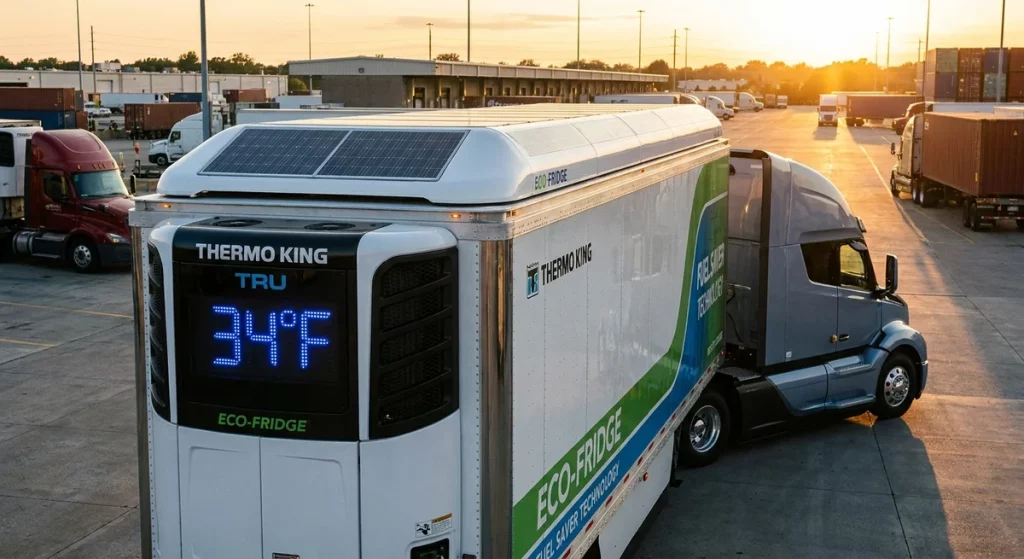
While the entire transportation industry is tightening its belt, refrigerated transport companies find themselves in a double bind. They must fuel not only their tractors but also their Transport Refrigeration Units (TRUs). The operating rules for reefer trailers are simple but brutal for the wallet: a single-temperature unit consumes an average of 0.8 gallons per hour, while multi-temperature units burn between 0.9 and 1 gallon per hour.
The Pressure of Compliance
The situation is further complicated by increasingly strict shipper requirements. Since the introduction of the Food Safety Act in 2011, the industry has demanded temperature maintenance within a 1–2 degree margin at every stage of the supply chain. For a TRU, this means nearly continuous operation to meet these rigorous parameters.
Three Common Mistakes Increasing Your Expenses
To keep costs under control, carriers must avoid these three primary pitfalls that generate unnecessary fuel consumption:
1. Cooling Instead of Maintaining
Perhaps the biggest myth in the industry is that a TRU is designed to lower the temperature of the cargo. In reality, units are designed to maintain temperature. If you load “warm” goods straight from the field (like broccoli or melons), the unit will struggle for every degree, running at maximum RPM and entering defrost mode more frequently, which drastically increases fuel burn.
2. Poor Air Circulation
Goods loaded too tightly against the walls or wrapped too tightly in stretch wrap block essential airflow. Consequently, the TRU “thinks” it is too warm inside and works harder, even though the issue is simply a lack of circulation.
3. Insulation Degradation
As trailers age, the foam in the walls loses its R-value. Water is the greatest enemy here; any hole in the skin that isn’t immediately patched allows moisture to destroy the insulation structure, essentially turning the trailer into a “thermos with a leak.”
Proactive Maintenance: Saving Dollars Without Buying New
You don’t always need to replace your fleet to lower operating costs. Often, systematic checks are enough:
- The Daylight Test: Enter the trailer, close the doors, and check for light leaks. If you can see the sun, you are losing money through faulty seals.
- Coil Cleanliness: Dirty TRU coils lead to lower efficiency and higher fuel consumption. Regular servicing is fundamental.
- Automation: Modern units allow for specific profiles (e.g., “Dairy”). The driver presses one button, and the computer ensures optimal parameters, eliminating human error.
Looking Ahead: California and the Electric Frontier
If you operate in California, be prepared for change. Since mid-2023, “ever-compliant units” regulations have been in effect. The old seven-year lifecycle for units is fading away—by 2030, every piece of equipment entering CA must meet strict emission standards, involving more expensive technology and complex servicing (EGR valves, common rail systems).
While many owners would love to invest in electric reefers, the cost is currently nearly four times higher than a standard unit. Without government subsidies and more competition among manufacturers, mass adoption remains on hold.
Conclusion
In an era of expensive diesel, your best allies are a well-sealed trailer and driver education regarding proper loading. Every hour of TRU operation saved is a direct boost to your bottom line. Wishing you a wide and safe road – All About Trucks & Translab. We put Truckers first!
