
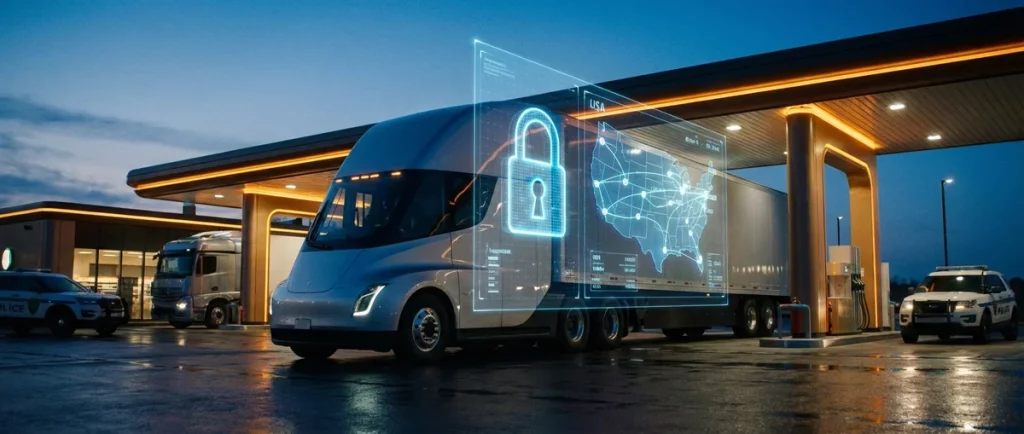
The Growing Threat of Cargo Theft: Navigating the “New Normal” in 2026
In an era defined by ubiquitous digitalization, advanced GPS systems, and the rise of artificial intelligence, one might assume that cargo theft would become a nearly impossible feat. However, the reality of the logistics industry is providing a harsh reality check. Data from 2025 indicates the crystallization of a “new normal”—a landscape where theft has become a permanent element of operational risk, and criminals are demonstrating an unprecedented level of “entrepreneurship” and organization.
The Escalating Trend: A Seven-Year Surge
The year 2025 concluded with a telling 16% year-over-year increase in cargo theft incidents. This is not an incidental statistical fluctuation but rather a continuation of an upward trend that has persisted for seven consecutive years. Expert forecasts from the industry publication Overhaul for 2026 are equally alarming, predicting a further escalation of the practice by another 13%.
A Shift in Targets: Why Food and Beverages Are High Risk
The catalog of high-risk goods has evolved significantly. While consumer electronics remain a perennial target, criminal groups have found a new priority: the food and beverage sector. This shift is driven primarily by the speed of turnover; these goods can be liquidated on the black market much faster than the time it takes to process an insurance claim.
Furthermore, criminals are showing high operational flexibility. They now monitor social media trends on platforms like TikTok to identify products with the highest current market demand, allowing them to target their operations with surgical precision.
California: The Epicenter of Organized Cargo Crime
While cargo theft is a nationwide issue across the United States, criminal groups are currently focusing their strategic efforts on California. These organizations exploit fluctuations in customs tariffs and periodic congestion in the shipping sector, which create the logistical chaos necessary to obscure the movement of stolen goods.
The scale of this phenomenon now transcends simple property theft. Increasingly, we are seeing the involvement of international criminal structures that operate across multiple illegal sectors, including arms and drug trafficking. Recent law enforcement operations in California have uncovered significant amounts of cash and hard drugs alongside recovered cargo, proving a dangerous symbiosis between these crimes.
The Paper BOL: The Weakest Link in the Modern Supply Chain
Paradoxically, one of the most critical weaknesses in today’s high-tech supply chain remains the traditional, paper-based Bill of Lading (BOL). In 2026, the industry still relies heavily on physical documentation, creating the perfect environment for strategic fraud.
The Rise of Strategic Theft
Document forgery has become the dominant modus operandi. Perpetrators no longer need to physically break into trailers. By utilizing social engineering and manipulating document data, they facilitate the “legal” release of goods directly into their own distribution channels. In simpler terms: thieves don’t have to break in anymore. The shipper loads the trailer for them, and the criminals—armed with falsified paperwork—simply drive out of the terminal with the stolen load.
This manipulation also allows them to bypass key checkpoints, including those near the Mexican border. With “laundered” documents, stolen goods—such as alcohol or tobacco products—enter legal commerce without raising the suspicion of regulatory authorities.
Essential Security Protocols for Drivers and Carriers
In the face of such professional criminal organizations, operational safety must be built on ironclad discipline. Here are the core principles for 2026:
- Strategic Parking Selection: Use only monitored, well-lit parking areas with high personnel turnover and constant vehicle movement.
- Surrounding Awareness: Maintain high vigilance toward unmarked box trucks or cargo vans—especially at truck stops—that perform unusual maneuvers near your trailer.
- Information Confidentiality: Strictly prohibit sharing information regarding cargo types or security procedures with unauthorized persons, whether over CB radio or in public spaces.
A Time for Vigilance
The year 2026 will be another stage in the fight to maintain profitability and safety in the transport industry. While digital systems—such as the immutable digital BOL (eBOL)—represent the only rational path forward, their widespread implementation will take time.
Until then, the most effective barrier remains maximum vigilance and the absolute adherence to security procedures. The statistics are clear: ignoring warning signs is the shortest path to losing control over your cargo.
All About Trucks & Translab wishes you a wide and safe road ahead. We put Truckers first.
