
MOTUS: The New Digital Era of FMCSA – What Truckers and Carriers Need to Know
The American commercial transportation market is undergoing its most significant digital transformation in years. The Federal Motor Carrier Safety Administration (FMCSA) is steadily phasing out its legacy, fragmented portals—such as the Unified Registration System (URS) and the traditional FMCSA Portal—replacing them with a single, modern platform called MOTUS.
Interestingly, MOTUS is not an acronym. It is a Latin word meaning “motion,” “progress,” or “dynamics.” The FMCSA chose this name to reflect the dynamic nature of the industry and the goal of achieving a smoother flow of data without bureaucratic bottlenecks.
Consolidating the Chaos: One Dashboard for Everything
In the past, managing USDOT numbers, MCS-150 filings, Operating Authority (MC) applications, or biennial updates felt like jumping between several different websites. MOTUS integrates all these functions into one centralized dashboard. Here are the most critical changes carriers must recognize:
1. Combatting Identity Theft and Double-Brokering
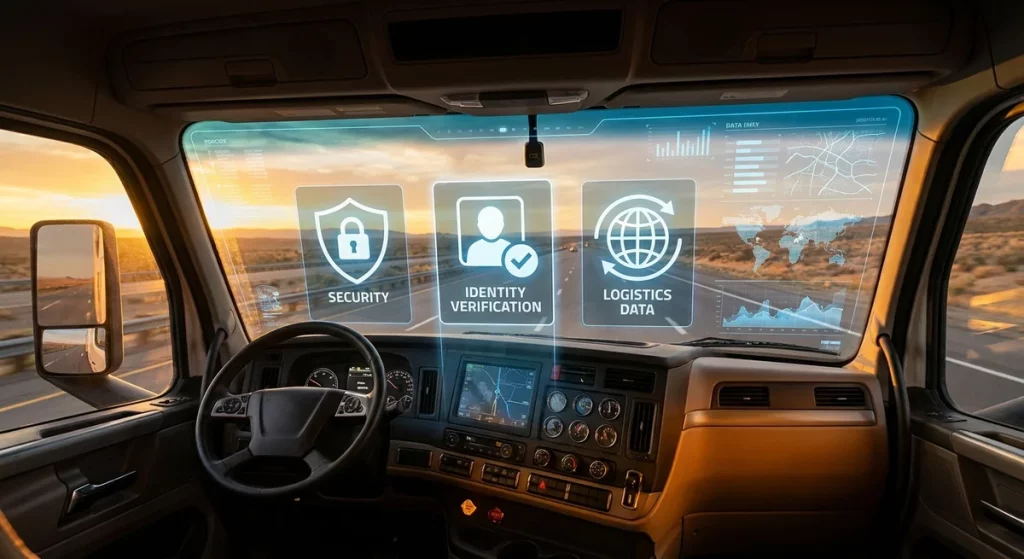
MOTUS introduces rigorous identity verification protocols. Users must provide photo ID and undergo biometric verification (a face scan via mobile device). The system also conducts deep dives into company structures. This is designed to finally eliminate the practice of identity theft and the unauthorized use of MC/USDOT numbers.
2. Mobile-Friendly Registration
Unlike its predecessors, the new system is fully optimized for mobile devices. This allows drivers and fleet managers to manage corporate data directly from the road without needing a desktop setup.
3. Real-Time Error Detection
MOTUS validates data as it is entered. It identifies typos and address errors instantly—mistakes that previously could stall an application for weeks are now caught before submission.
4. Randomized USDOT and MC Numbers
For new companies, the system now issues randomized numbers with specific suffixes. This makes it harder for scammers to “flip” or trade newly established authorities. Note: For existing companies, current USDOT and MC numbers remain unchanged.
Technical and Legal Realities of MOTUS
Navigating the transition requires understanding the technical requirements that are now set in stone:
- Decommissioning of Old Systems: The migration process is finalized. Legacy portals like URS and MCMIS were permanently disconnected in May 2026. All updates and applications must now go through MOTUS.
- The Login.gov Requirement: The email address used for Login.gov must match the “Company Official” email on file with the FMCSA exactly. Even a minor discrepancy can prevent you from claiming your USDOT number in the new system.
- Suffixes and Vehicle Markings: While MOTUS generates suffixes for new registrations, the FMCSA has clarified that these are for internal system tracking only. You do not need to update the physical decals on your trucks.
- Separation of MC Numbers: New companies applying for different types of authority (e.g., motor carrier and broker) will receive separate registration numbers for each.
- Voluntary Suspension: Carriers can now quickly suspend their authority directly from the dashboard without dissolving the company—ideal for seasonal operators or those moving to a lease-on model.
A Word of Caution: System Growing Pains
As with many government rollouts, MOTUS is currently experiencing technical hurdles. Carriers have reported serious issues, including:
- Email mismatches preventing account linking.
- Data discrepancies where MOTUS shows an “Active” status while SAFER shows “Out of Service,” leading to brokers blocking loads.
- Identity verification failures and payment portal freezes.
- Delays in processing BOC-3 forms and insurance filings.
Attempting to fix these issues by creating secondary accounts can result in the accidental generation of duplicate USDOT numbers, which can take weeks to resolve.
The Path Forward
While the transition is not without its challenges, transforming compliance into a streamlined digital process is an investment that pays off. It leads to lower insurance costs, fewer delays at weigh stations, and increased credibility with business partners.
Safe travels and a smooth road ahead from All About Trucks! We put Truckers first!
